%201.svg)
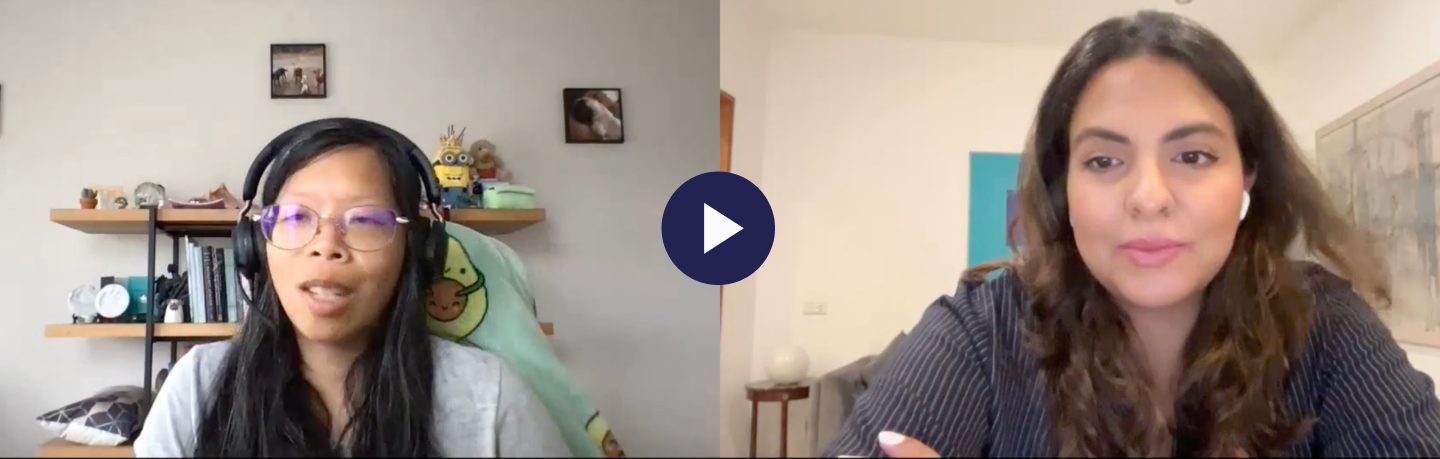
“Don’t collect feedback,create change”: How Top Hat built a Voice of Customer program that actually works | Karen Lam

From our conversation with Karen Lam, Director of Customer Support at Top Hat
Most companies today claim to be "customer-centric," but scratch beneath the surface and you'll often find voice of customer (VOC) programs that exist more for show than for impact. These programs collect mountains of feedback, generate impressive-looking reports, and then... nothing changes.
Karen Lam, Director of Customer Support at Top Hat, has seen this pattern repeatedly throughout her career spanning journalism, content creation, and customer experience leadership. Her unique perspective reveals why most VOC programs fail and, more importantly, how to build ones that actually drive business results.
The Vanity Metric Trap
"Where it becomes a vanity metric is because there's so much data, it becomes incredibly difficult to consolidate and really unify the information that's coming into the pipeline," Karen explains. "The voice of the customer program, if there is one initiated at a company, is usually very surface level.
"The problem isn't lack of customer feedback—it's what happens after collection. Many organizations review their VOC data annually or semi-annually, by which point the insights are outdated and the sheer volume makes meaningful action nearly impossible.
The key insight: Portfolio size determines your ability to be proactive versus reactive. Cross that threshold, and you lose the strategic impact that makes customer success valuable.
The Foundation: Cross-Functional Customer Advocates
The most critical element of an effective VOC program isn't technology or processes—it's people. "The important part of a customer voice of the customer program is to really have your customer advocates," Karen emphasizes. "It's not one individual that feeds into the voice of the customer program. It's really a whole cross collaborative and cross-functional effort.
"At Top Hat, Karen's team meets biweekly with stakeholders from across departments, including product and engineering teams who don't typically interact with customers. This isn't just about sharing data; it's about building empathy and context.
"Once everyone who is part of that program is on the same page and has that same thirst to really get the customer experience in a very solid place, the important part at that point is to understand that data will consistently come forward," she notes.
Avoiding Survey Fatigue While Capturing Quality Feedback
One of the biggest challenges in VOC programs is balancing comprehensive feedback collection with customer experience. Survey fatigue is real, and bombarding customers with multiple touchpoint surveys can actually harm the relationship you're trying to improve.
Karen's approach focuses on consolidation and strategic timing. "It's not important necessarily to survey at every single point of the journey, but to look at which departments are issuing surveys or would like to issue surveys and where we could actually marry the two together.
"The key is meeting customers where they are—using in-app surveys for some feedback, email for others—and being selective about what you actually need to know versus what would be nice to know.
From Data to Action: The RICE Framework
Collecting feedback is only valuable if it leads to meaningful change. Karen's team uses the RICE method (Reach, Impact, Confidence, Effort) to prioritize which feedback gets acted upon first, especially for feature requests.
But VOC programs aren't just about building new features. "Voice of the customer programs are not only about feature requests, there's also an element of when there's customer friction or could even be where a customer is really happy about a specific feature," Karen points out. Sometimes the most valuable insights come from understanding what's working well and how to amplify those positive experiences.
Measuring Success Beyond Traditional Metrics
While NPS and CSAT scores remain important, Karen's team has developed more nuanced ways to measure VOC program effectiveness. They track the ratio of customers who contact support to the number of issues logged, using this as a quality indicator.
"We've actually over the last three years have been able to decrease our support case volume by as high as close to thirty-ish percent simply with some improvements in product quality," she shares. "This is where our voice of the customer program becomes incredibly impactful because it not only improves essentially the quality of your product, but it also means that customers are enjoying your product more."
Building from Scratch: A 90-Day Roadmap
For organizations starting their VOC journey, Karen recommends a phased approach:
Month 1: Data Discovery
Identify all existing feedback channels—support tickets, surveys, app reviews, social media mentions. Understand what data you already have and how to access it systematically.
Month 2: Building Your Advocacy Network
Assemble your cross-functional team of customer advocates. Include product and engineering team members who need empathy-building, not just customer-facing roles.
Month 3: Storytelling and Iteration
"You certainly don't want a read out program," Karen warns. "What you want to do is tell a story with that data." Focus on themes and narratives rather than just presenting numbers. See what resonates with your team and iterate based on what works.
Choosing the Right Customer Advocates
The most successful VOC advocates share one critical trait: curiosity. "That level of curiosity is so important because that individual needs to be curious about what the customer is feeling and thinking," Karen explains.
These advocates should also be natural connectors—people who will actively recruit others to join VOC sessions and share insights with their immediate teams. The goal isn't just to inform a small group but to create a ripple effect of customer awareness throughout the organization.
Closing the Loop: The Ongoing Challenge
Perhaps the most difficult aspect of VOC programs is closing the feedback loop with customers. While it's not realistic to respond to every piece of feedback, Karen's team has developed a tiered approach:
- High-friction bugs and prioritized roadmap items: Keep support tickets open until resolution and follow up with customers NPS detractors:
- Account management team conducts follow-ups Process improvements:
- Internal changes followed by proactive communication to affected customers when appropriate
The Real ROI of Voice of Customer Programs
The ultimate measure of a VOC program's success isn't the data it collects but the changes it creates. When done right, these programs don't just improve customer satisfaction—they reduce support volume, increase product quality, and create a more customer-aware organization.
As Karen puts it, building an effective VOC program requires moving beyond the surface-level metrics and creating "an entire program that's organized cross teams and goal aligned and value aligned." It's not about checking the "customer-centric" box—it's about fundamentally changing how your organization listens to and acts on customer feedback.
The companies that get this right don't just gather voices; they amplify them into actionable business improvements that benefit everyone—customers, employees, and the bottom line.
Want to learn more about building effective customer experience programs? Listen to the full conversation with Karen Lam on the One CX Podcast.
ONE CX by Knoccs
Subscribe to One CX for conversations with customer success professionals transforming B2B relationships.

.png)


.png)
.png)
.png)
.png)
